CASE STUDIES
Strengthening human rights due diligence in the Middle East

SUMMARY: Kumi supported a leading industrial company in the Middle East to strengthen human rights due diligence across its supply chain. By developing an OECD-aligned responsible sourcing process, piloting supplier site assessments in Saudi Arabia and Oman, and implementing corrective action plans, Kumi helped the client improve supplier visibility, strengthen worker protections and respond to growing customer expectations around responsible sourcing.
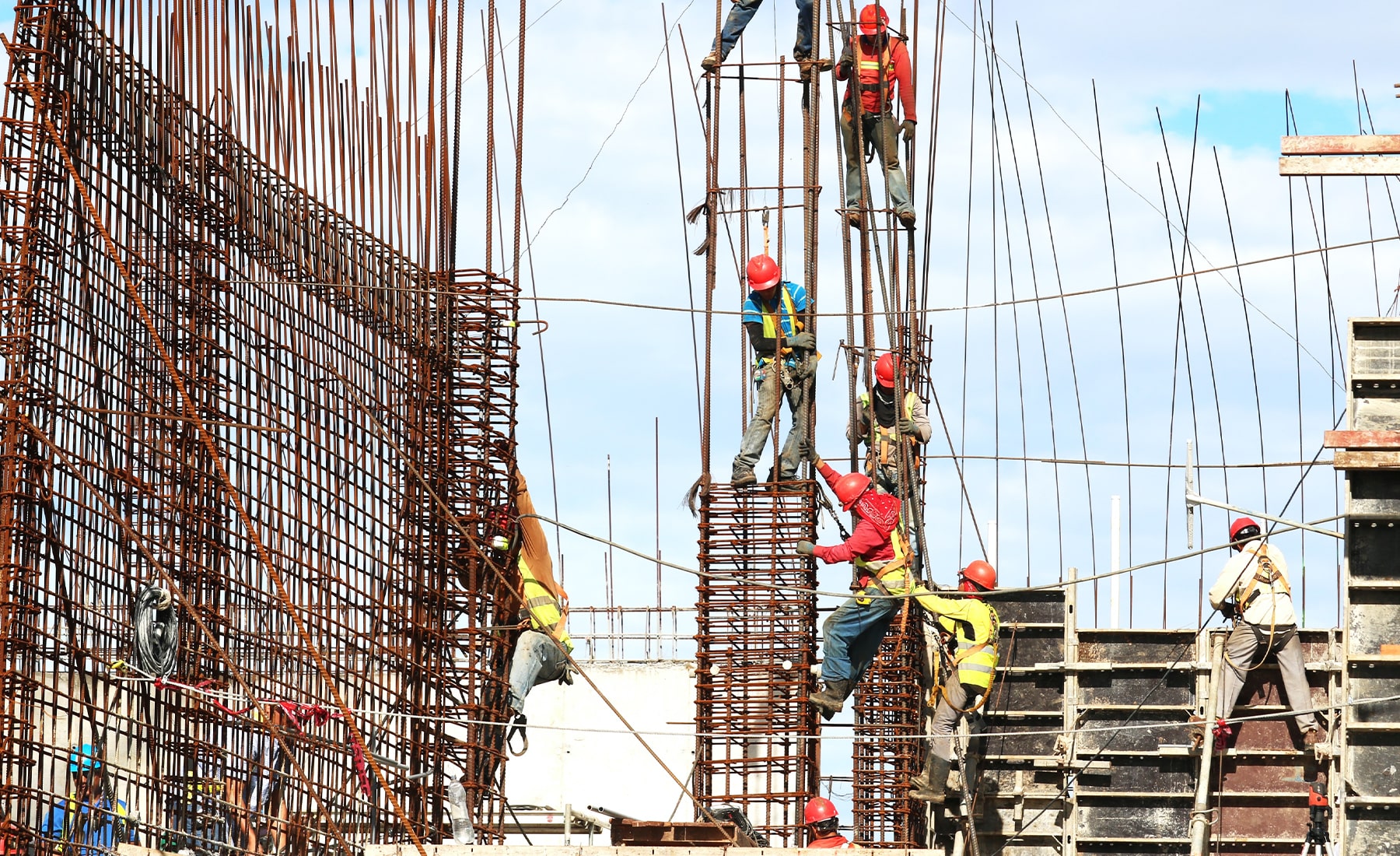
Industrial companies in the Middle East face significant challenges related to human rights issues in their operations and supply chains. These challenges typically affect migrant workers in the region and include topics such as poor employment practices, unsafe working conditions, unsanitary living conditions and harassment and discrimination.
Kumi was commissioned by one of the region’s leading industrial companies to develop a human rights due diligence process and pilot it with two strategic suppliers in Saudi Arabia and Oman.
Before our involvement, the client lacked a clear process for assessing suppliers and had limited knowledge and insight into the human rights risks within its supply chain. At the same time, it was under pressure to meet the growing number of human rights due diligence expectations of its customers in key export markets.
To support our client, we:
- Created a responsible sourcing manual and tools (relevant for sourcing materials, products and manpower services) in alignment with the OECD due diligence framework. This included a protocol for conducting supplier site assessments. We reviewed existing processes and engaged with stakeholders to ensure that the manual was fit-for-purpose in their business context.
- Piloted the new supplier site assessment protocol at two suppliers, one in Saudi Arabia and one in Oman.
- Drafted a corrective action plan with findings and recommended actions to address the identified gaps.

The company has used the pilot supplier site assessment protocol as a model for the rest of its supply chain. By engaging with suppliers proactively, they developed stronger relationships, increased transparency, and gained better visibility over their supply base. Our corrective action plans also helped drive positive changes for workers within their supply chain.
By undertaking a pilot project, companies can avoid taking an ‘all or nothing’ approach to due diligence and assess an entire supply chain incrementally. Pilot projects offer a useful way of doing this by prioritising engagements and taking smaller, more manageable steps.
If you’d like to discuss how Kumi can support your supply chain due diligence, please get in touch.

-
What triggers the need to strengthen human rights due diligence?
Triggers include regulatory change, allegations, new sourcing regions, or investor pressure. Many companies realise their existing systems are not fit for high‑risk contexts.
-
Why is human rights due diligence harder in the Middle East?
Legal protections, worker voice, and transparency can be limited. This increases reliance on robust company systems rather than external enforcement.
-
What are the most common gaps in current approaches?
Typical gaps include weak risk prioritisation, ineffective grievance mechanisms, and limited supplier engagement beyond Tier 1.
-
How do regulators assess “effective” due diligence?
Regulators focus on whether risks are identified, prioritised, mitigated, and monitored — not whether policies simply exist.
-
Can due diligence be proportionate?
Yes. Proportionality is encouraged, but it must be justified based on risk. Blanket approaches are rarely effective.
-
Does this apply beyond the Middle East?
Absolutely. The same principles apply in any high‑risk operating environment.
Tim Perkin
Senior Consultant
Get in touch with Tim, if you wish to discuss any matters within this case study.